How much does it cost to 3D print something?
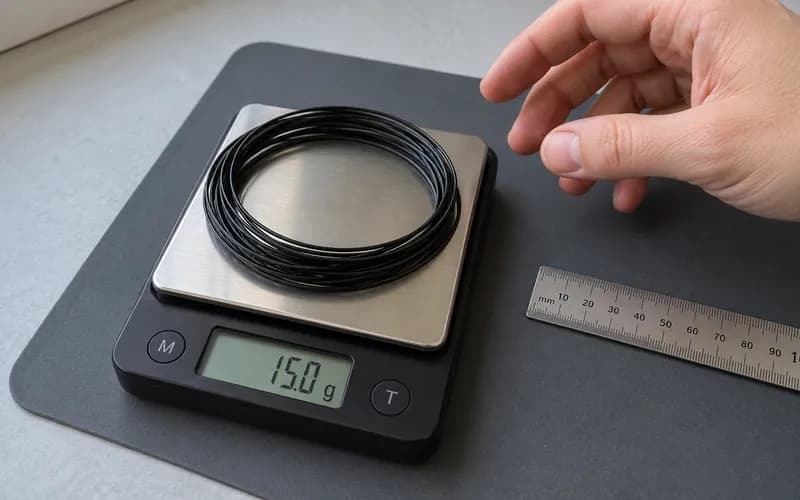
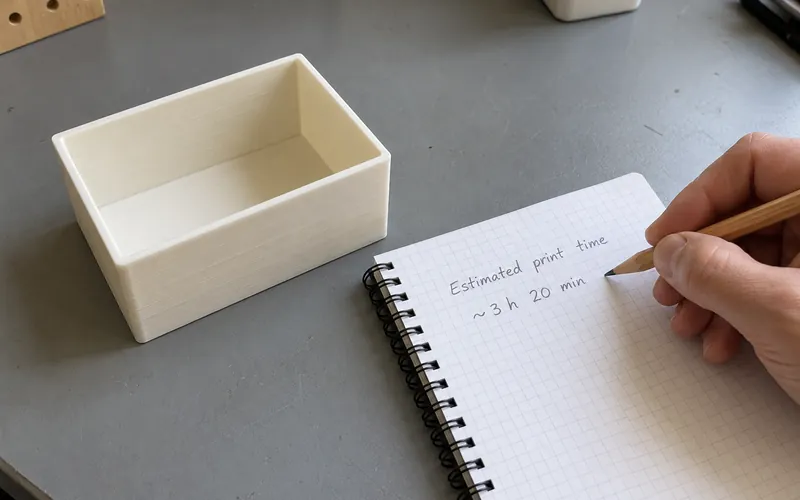
Far more than the filament - and that's the trap. A 120 g part from a $24 spool uses $2.88 of plastic, which is why "it's just a couple bucks of filament" feels true. But that same part occupies a printer for six hours, draws electricity, wears the nozzle and belts, takes hands-on time to slice, remove, clean, and pack, and carries a real chance of failing once before it succeeds. Quote $5 for it and you've donated an afternoon.
This calculator counts all of it. Pull the gram and hour estimates from your slicer, add your own rates, and it builds the cost the way a small print shop would:
- Material - grams used x your actual cost per kilogram.
- Electricity - printer wattage x hours x your kWh rate. Usually pennies, always worth counting.
- Machine time - an hourly rate for wear, maintenance, depreciation, and the fact that a busy printer can't take other jobs. Hobbyists often use $1 - 3/hr; businesses need more.
- Labor - the hands-on minutes: file checks, slicing, support removal, cleanup, packing, messages. Priced at what your time is worth, because it's worth something.
- Markup - your buffer for overhead, fees, and profit, added on top.
The result is a floor, not a sticker price. Knowing the floor is what lets you choose your price - full rate for a customer, break-even for a friend, loss-leader for a sample - instead of discovering it after the fact.
Failed prints, packaging, and selling fees
Three costs eat margins quietly, so the calculator has an input for each.
Failure rate. Failures are part of production: a tangled spool, a lifted corner, a hidden geometry problem in a customer file. Enter the share of prints you expect to lose, and the calculator divides the cost by your success rate. A $20 part at 90% success is really a $22.22 part. Use around 5% for a dialed-in printer and a familiar file, and 15 to 25% for a risky one-off.
Pieces per plate. If you print several copies at once, enter the filament, print duration, and labor for the whole plate, then set the number of pieces. The plate cost is shared between them, and the result is the price for one piece.
Packaging and selling fees. Packaging is added per piece. Selling fees work differently, because Etsy, eBay, and payment processors take their cut out of the price the buyer pays. The calculator raises the price so that what is left after the fee still covers your costs and markup.
Shipping, returns, and taxes are not included, so add those yourself. Our full pricing guide - How Much to Charge for 3D Prints - walks the complete formula with a worked example, including the markup-versus-margin distinction that trips up most new sellers.